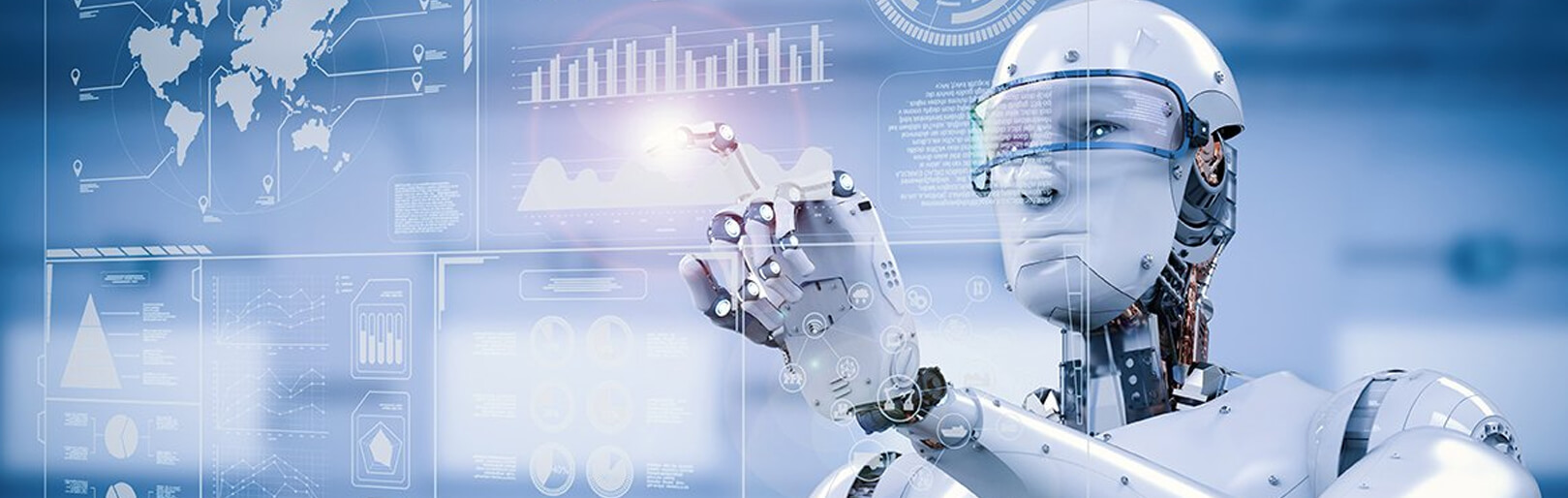
Why do you need AI, Robotics, IoT and Python in School’s Curriculum_
Cybersquare on Dec 31, 2021 11:11:56 AM
Schools are supposed to provide a quality education that shall benefit a student's life and career. It is of high prominence that we provide futuristic education for our children from the primary school itself as for them to establish a strong career. Competition is quite high in today's world and parents & teachers have to prepare children for the highly competitive fast-paced world we live in today. By teaching our students the basics of AI, robotics, IoT, and Python we can open a whole new world to them and exciting opportunities that they wouldn’t have access to otherwise. Therefore it is highly important to understand why do you need Artificial Intelligence, Robotics, IoT & Python in a school's curriculum.
The estimated global market cap of the Artificial Intelligence industry lies around at 15.7 trillion USD by 2030. This is an extremely large market cap compared to the rest of the upcoming technologies in the world. While educators on all levels know the benefits of teaching science, technology and maths they do not really know the prominence of teaching technologies such as AI, Robotics, IoT, Python, and Coding. All this is going to change significantly after the New Economic Policy (NEP) 2020, which mentions that all the CBSE schools should start to incorporate AI & Coding in their algorithm. The future is catching up with the educational systems and will leave no other options behind for schools to incorporate AI, IoT, Robotics & Python in their curriculum.
Top 6 reasons why you need Artificial Intelligence, Robotics, IoT, and Python in a schools curriculum
1. Helps Land A Dream Job
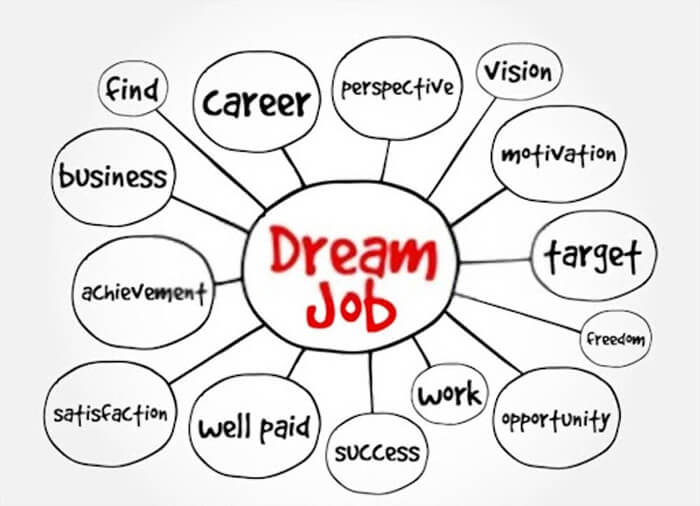
The average package of an AI professional ranges between 100,000 USD to 150,000 USD PA in the USA insomuch as 14 – 15 lakhs PA in India. A student who has studied Artificial Intelligence, Robotics, IoT, and Python can work as a Data Scientist, Machine learning engineer, business Intelligence developer, etc. These jobs are in high demand as of now and the demand scale is only going to increase down the line. Apple, Google, IBM & Microsoft are some of the companies hiring people who have studied Artificial Intelligence.
2. Skills of the Technological Revolution
The industrial revolution is over and technology has taken its place. The current generation works, sleeps, and in fact breathes technology. AI, Robotics, IoT, and Python will replace a lot of the jobs that humans do and will create multiple job opportunities. In the next 10 years, everyone will want a part of these technologies. AI, Robotics, IoT & Coding are the key technologies that are leading the innovation space in the technological revolution.
3. Implementing AI, Robotics, and IoT in the school curriculum will be an add on to the children’s skills in
- Science
- Maths
- Programming skills
- Creative ideas
- Problem solving skills
4. Enhances cognitive skills

Cognitive skills are the main skills that help one's brain to think, learn, remember, reason, and pay attention. These skill sets are the most utilized skill set of a human being. Coding involves the process of fine-tuning when something doesn't work. Taking the fact that coding is the major process behind Artificial Intelligence, Robotics, IoT and Python it is evident that learning these technologies is highly beneficial for cognitive development.
5. Increases data fluency
Today data surrounds us, Data is the major component that drives AI & Coding to perform its analysis. It also explains solutions, predictions, and much more. Once kids are learning big data from an early age, they will understand how to collect, examine, and analyze data. Data fluent people can turn loads of raw data into actionable information because they can understand how to interpret it and how to apply it effectively.
6.Increases coding fluency
Coding is the universal language of computers. Through learning coding children are exposed to various new career streams in the field of Artificial Intelligence, Robotics & IoT. There are multiple other benefits to learning coding such as improved algorithmic thinking, improved structural thinking,Improved computational thinking, etc.